
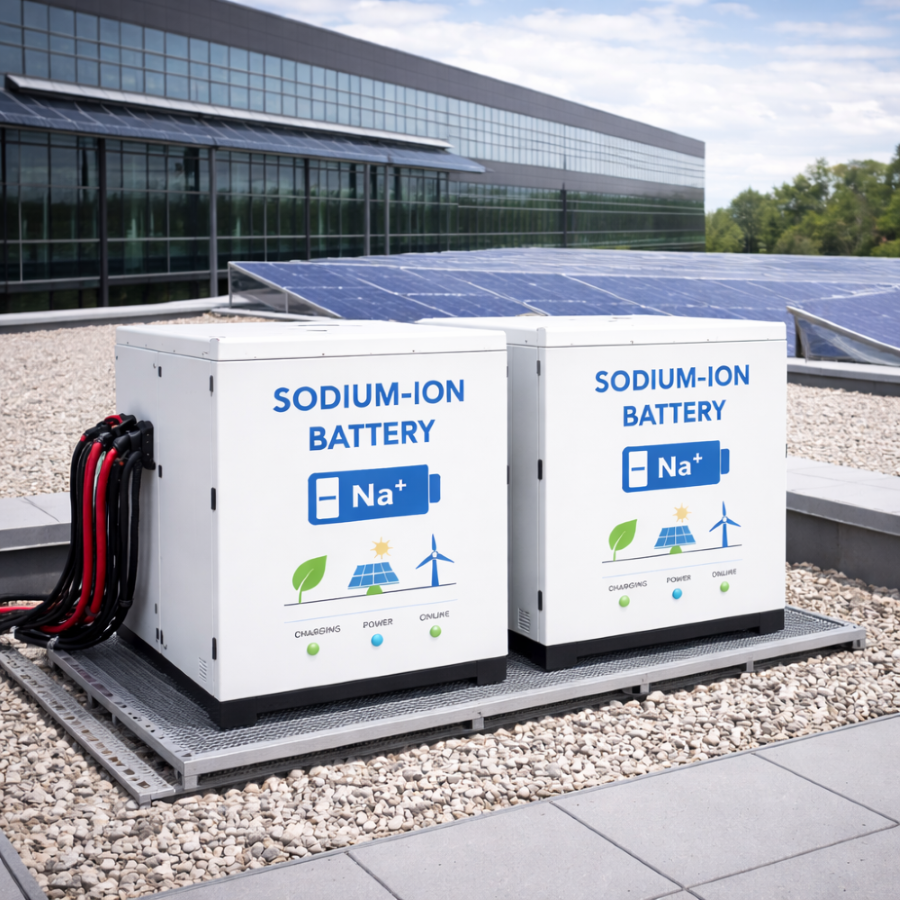
Sodium-ion batteries now competitive in niche markets
Sodium‑ion batteries are emerging as a safer, lower-cost alternative to lithium‑ion, with a recent international study highlighting their competitiveness in stationary energy storage. The research shows that ongoing investment and supply-chain development could enable broader adoption within the next decade.
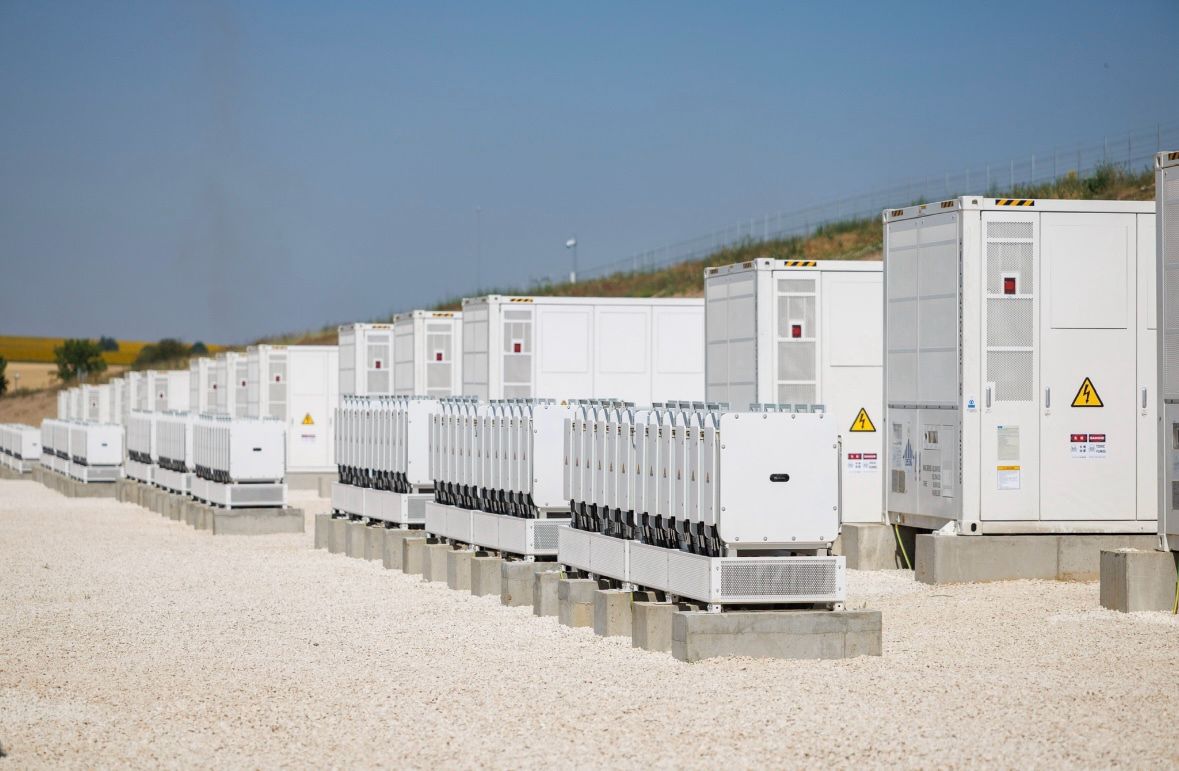
EU installs 27.1 GWh of battery storage in 2025 as utility-scale systems drive majority of growth
Utility-scale installations now represent more than half of new capacity in a significant market shift, while residential storage, long the main growth driver, declined due to lower electricity prices and reduced support schemes, a new report from SolarPower Europe finds.
Advertisement
Most Popular
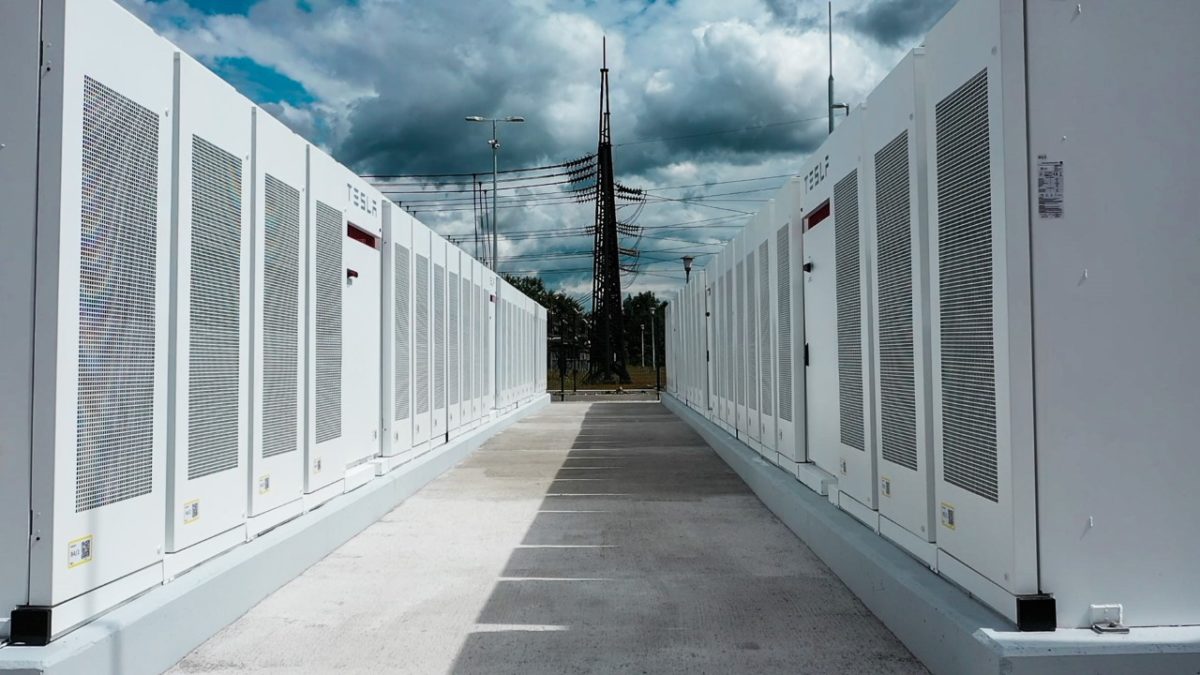
Battery storage in Spain becomes unviable beyond 32 GWh of cumulative capacity, study finds
Scientists from the University of Seville have developed real-time optimization models showing that electricity storage in Spain may be approaching its economic limit, with cumulative capacities above 32 GWh depressing prices and undermining project profitability.
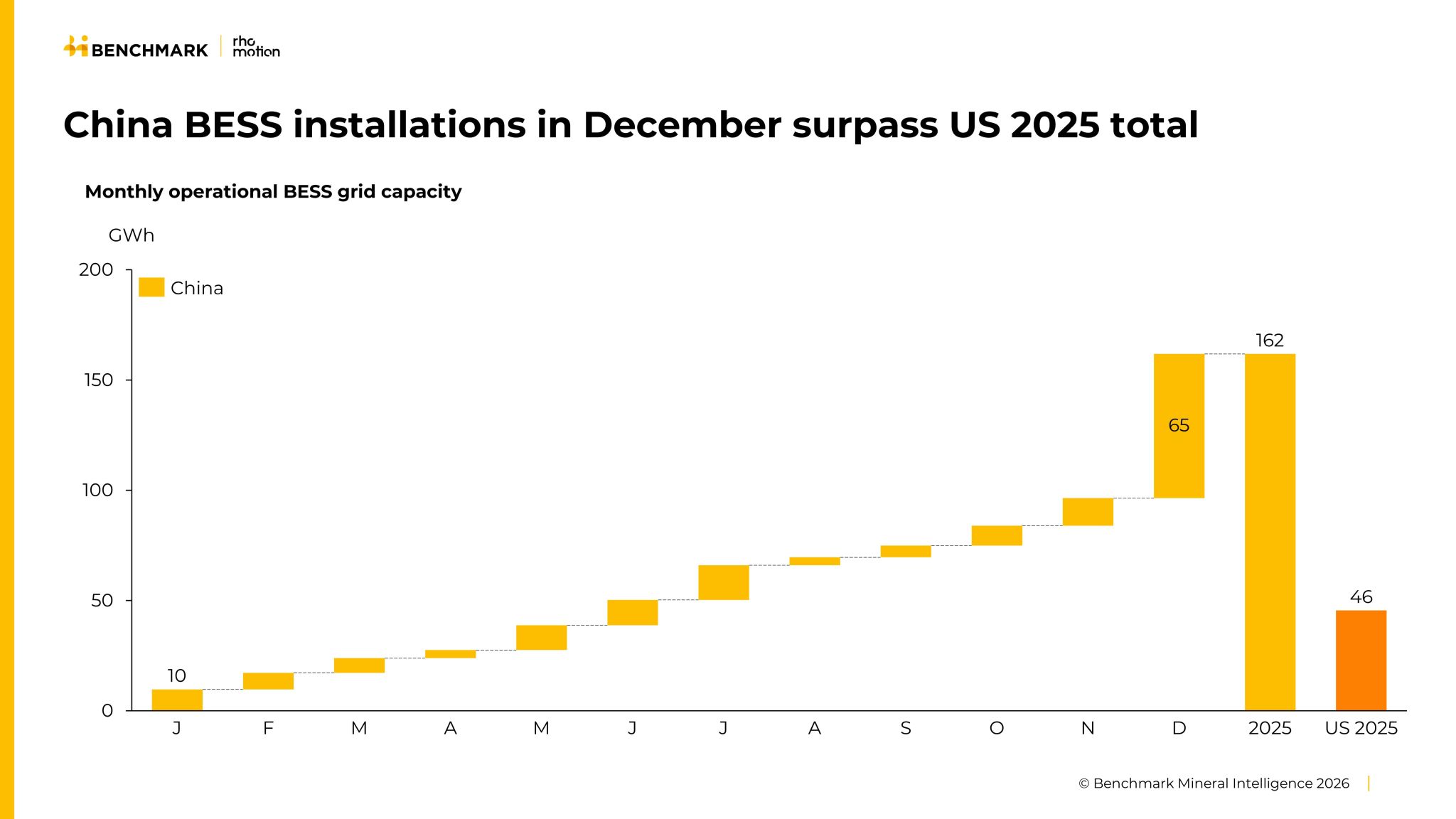
Global BESS demand jumps 51% in 2025 as installations top 300 GWh
Iola Hughes, Head of Research at Benchmark Mineral Intelligence, tells ESS News that 2026 is set to be another strong year for BESS, with forecast additions exceeding 450 GWh and no material supply constraints in sight. Meanwhile, the initial impact of rising lithium prices is already visible at the cell level, but the full effect has yet to ripple through to system pricing.
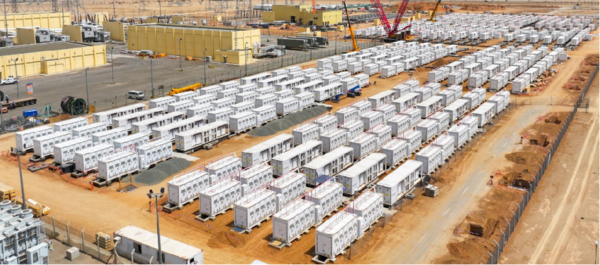
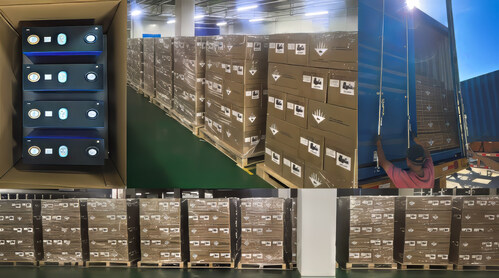
Sodium-ion batteries: Unigrid begins commercial-scale deliveries; Altris and Draslovka partner to scale Europe’s supply chain
With lithium prices reaching a two-year high in early 2026, sodium-ion batteries are once again in the spotlight, as innovators on both sides of the Atlantic announce major milestones.

Advertisement
Advertisement
Why sodium-ion can’t yet challenge lithium-ion’s reign
A new generation of sodium-ion (Na-ion) battery cells has been launched as an alternative to the virtual monopoly of lithium-ion (Li-ion). Although the technology is unlikely to displace significant Li-ion market share, recent improvements make Na-ion a viable solution for certain niche applications, with potential for wider usage if cost becomes competitive.
Jan 15, 2026
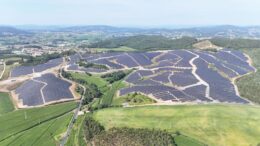
Hybridization: The new paradigm for a more resilient and competitive renewable market
One of the main benefits of hybridization is the ability to offer more attractive and stable energy products to clients. A hybrid PPA better covers consumption needs, reduces risks associated with the variability of a single source, and allows for more competitive long-term pricing, writes Rodrigo López, head of revenues at BNZ.
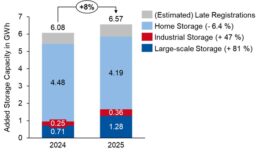
Germany adds 6.57 GWh of battery storage capacity in 2025, total capacity hits 24 GWh
The expansion of stationary battery storage in Germany reached an estimated 6.57 GWh in 2025, representing an 8% increase compared with the previous year. Total installed battery storage capacity in Germany now stands at around 24 GWh, according to analyses by the Battery Charts data platform of the Institute for Power Electronics and Electrical Drives (ISEA) at RWTH Aachen University.
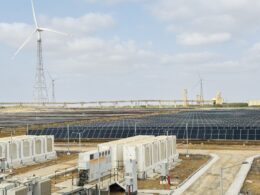
Top 5 trends shaping India’s battery energy storage market in 2025
India’s battery storage landscape underwent a decisive transformation in 2025. Across utilities, regulators, and developers, BESS moved beyond early-stage exploration and is increasingly recognized as an essential component for grid stability, renewable integration, and long-term energy planning.
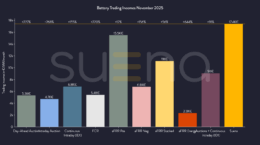
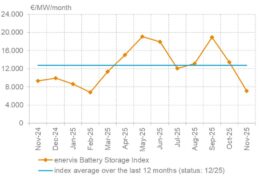
No extremes, except one: Battery trading in a surprisingly steady November
November brought calm to Germany’s power market. As volatility dropped and price spreads narrowed in a well-supplied system, battery revenues became harder to capture. Lennard Wilkening, CEO and co-founder of suena energy, unpacks what this meant for BESS operators and why multi-market coordination proved essential once again.
Advertisement
Sunwoda reinforces long-term commitment to the Middle East at World Future Energy Summit 2026
At the World Future Energy Summit 2026, Sunwoda showcased its latest lithium-ion battery and energy storage solutions, reinforcing its growing presence in the Middle East energy storage market. The company presented a comprehensive portfolio covering high-performance battery cells and advanced liquid cooling energy storage systems, designed to support the region’s accelerating clean energy deployment. Flexible […]
CATL Opens Middle East’s Largest New Energy Aftermarket Facility in Riyadh
CATL opens Middle East’s first NING SERVICE Experience Center in Riyadh -currently the largest new energy aftermarket facility outside China. The facility offers comprehensive full-lifecycle after-sales support, cultivates local technical talent and accelerates the deployment of advanced electrification and energy storage solutions. It also functions as a regional ecosystem hub linking diverse stakeholders and resources to drive industrial synergy and sustainable growth.
Advertisement
Sodium-ion batteries now competitive in niche markets
Sodium‑ion batteries are emerging as a safer, lower-cost alternative to lithium‑ion, with a recent international study highlighting their competitiveness in stationary energy storage. The research shows that ongoing investment and supply-chain development could enable broader adoption within the next decade.
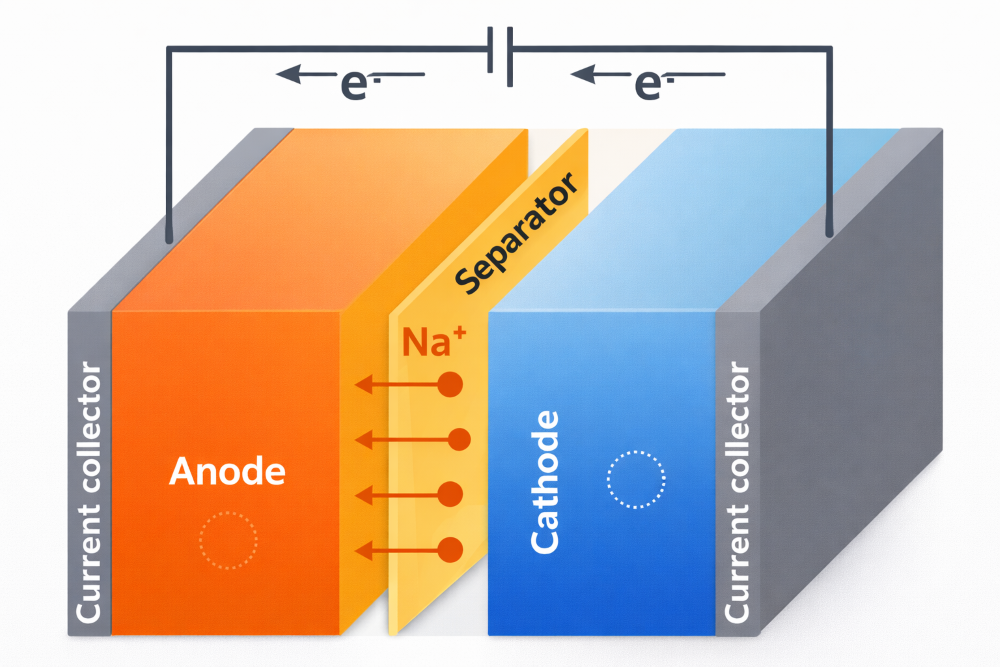
Scientists design low-cost sodium-ion battery with cheap electrode materials
Conceived for stationary energy storage, the proposed sodium-ion battery configuration relies on an P2-type cathode material and an hard carbon anode material that reportedly ensure full-cell performance. Electrochemical testing revealed initial capacities of 200 mAh/g for the cathode and 360 mAh/g for the anode with capacity retentions of 42% and 67.4% after 100 cycles.
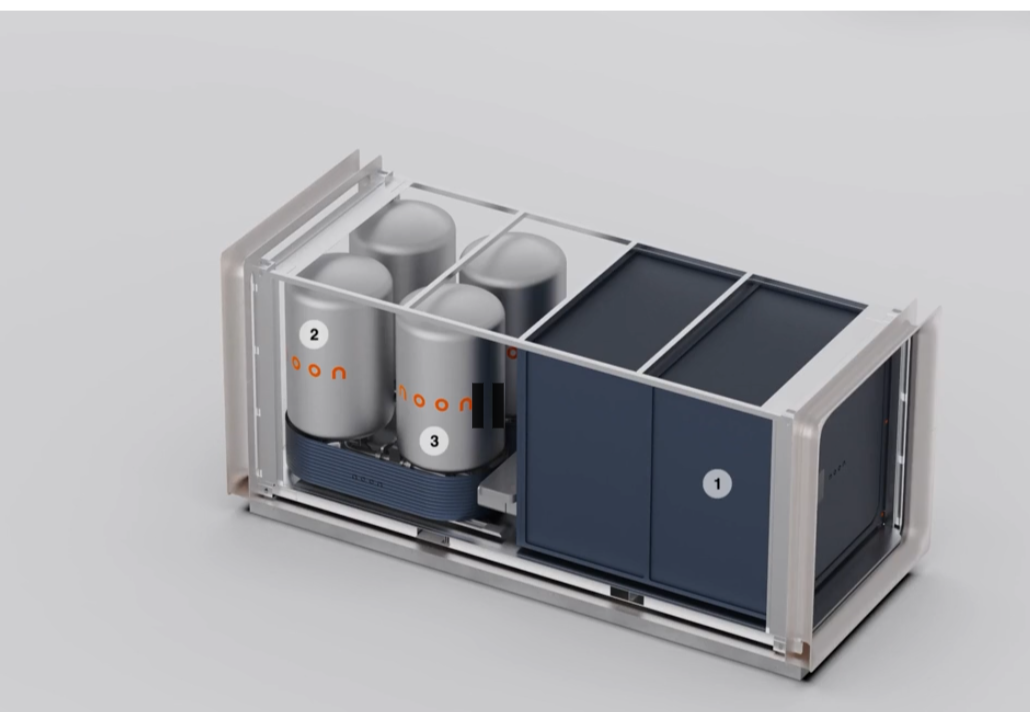
Noon Energy demonstrates 100+ hour ultra-long-duration energy storage system
The pilot showcases a reversible solid oxide fuel cell battery and represents the first fully containerized, modular ultra-LDES system to be operated for thousands of hours, achieving more than 200 hours of energy storage capacity.
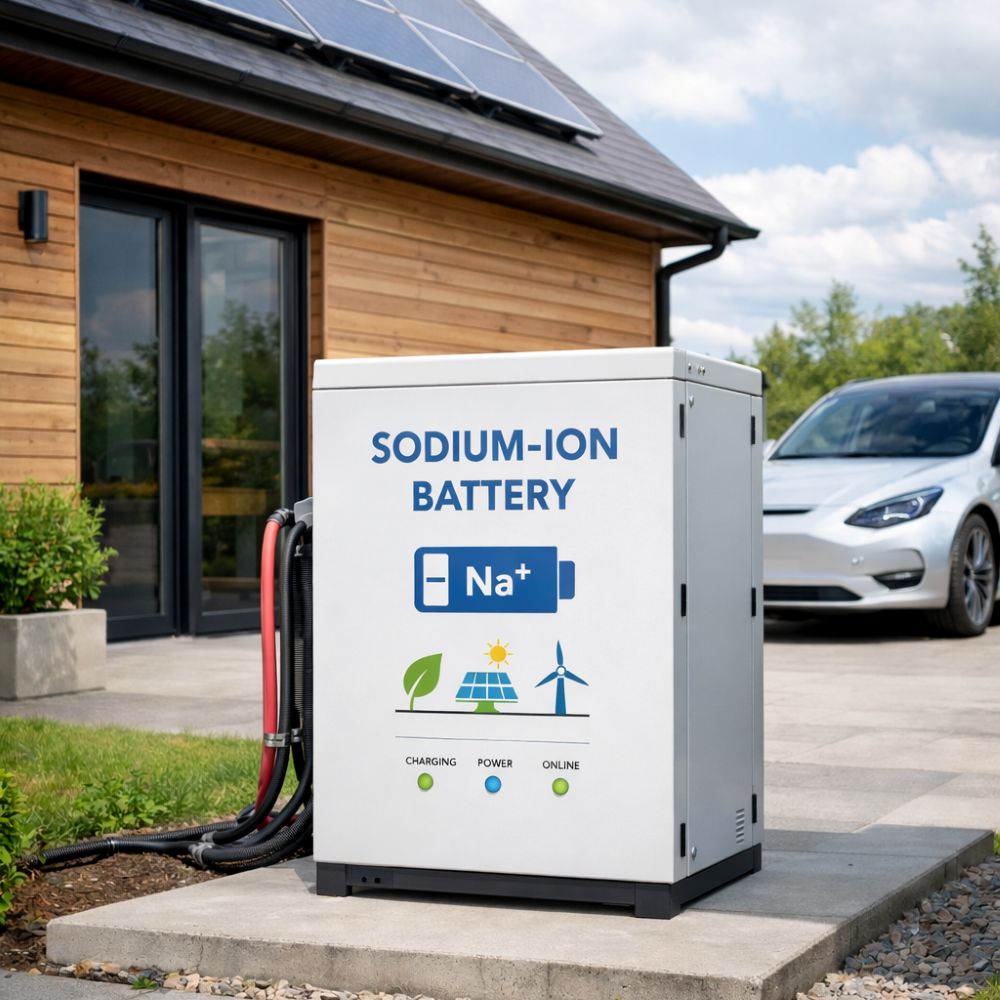
New design specifications for sodium-ion batteries
U.S. scientists used density functional theory to reveal how sodium ions are stored in nanoporous carbon anodes for sodium-ion batteries, identifying dual ionic and metallic storage mechanisms within the pores. Their findings provide practical design guidelines to improve battery voltage, safety, and commercial viability for stationary energy storage.
Advertisement
Advertisement
Advertisement
Advertisement
The leading global solar and storage media platform with regional insights.
- pv magazine publishes monthly and quarterly magazines in English and German and operates daily industry news channels covering specific markets.
- With its independent, technology-focused reporting, pv magazine concentrates on the latest developments in the solar PV and energy storage markets and local industries.