Opinion & Analysis
Advertisement
Advertisement
Advertisement
Latest News
Advertisement

Building the grid required for the future
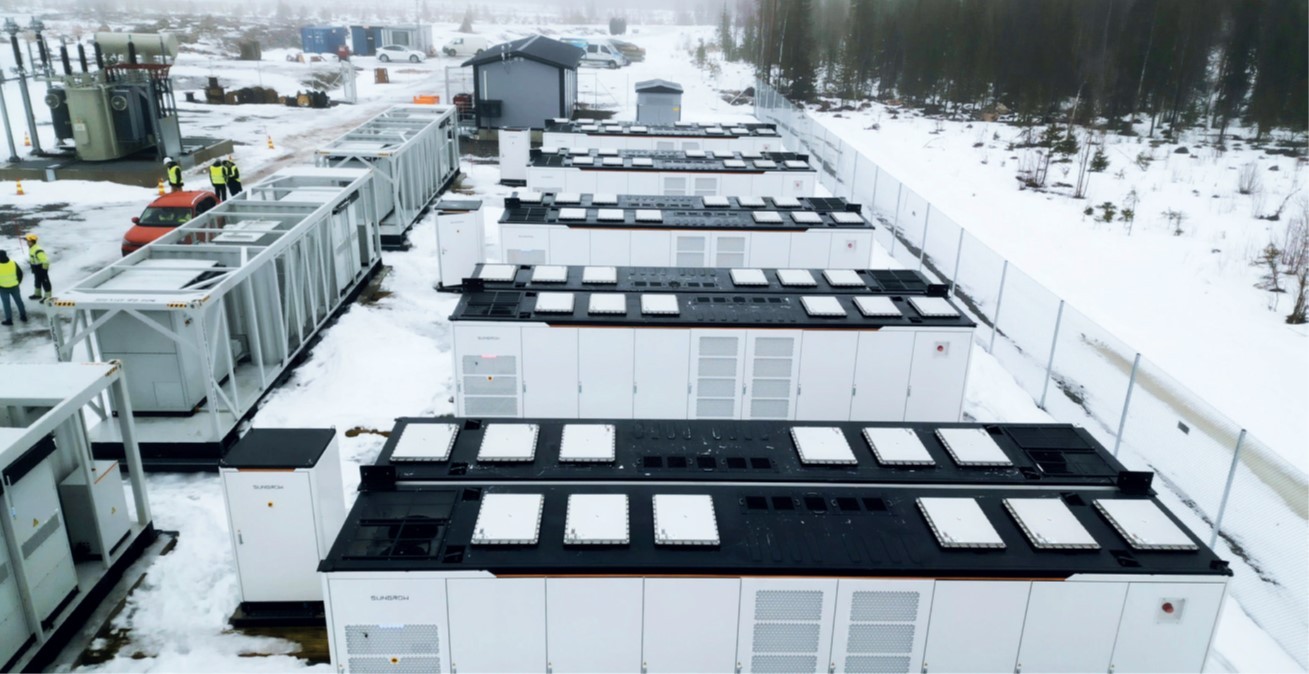
Ten years ago, when the Paris Agreement set the world on a path toward limiting global warming to 1.5°C, most energy experts understood that renewable energy and battery energy storage systems (BESS) would need to scale dramatically. What fewer anticipated was just how completely this would require us to reimagine the grid itself, writes Aazzum Yassir of Pulse Clean Energy.
Demand diligence from US battery integration
Tariffs continue to reshape the US storage market. Rising costs for overseas systems have created new incentives to integrate equipment domestically, and many developers are turning to US firms to assemble battery systems. Integration capacity can scale faster than battery cell manufacturing, but not without risk. Unlike cell plants, where automated processes keep variations in check, battery assembly and integration depends on people, as Jeff Zwijack from Intertek CEA explains.
Stacking value in a changing market: BESS revenue in October
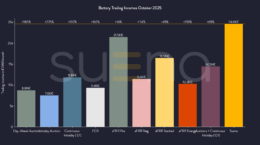
October brought a fundamental shift to battery trading dynamics In Germany as the day-ahead market switched from hourly to 15-minute intervals. Lennard Wilkening, CEO and Co-Founder of suena energy, breaks down how this structural change, combined with shifting weather patterns, reshaped revenue opportunities – and why tactical responsiveness across markets will only grow in importance as winter volatility sets in.
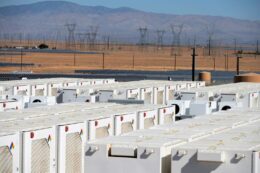
Shifting global battery storage trends could open the door for European growth
Global investment in battery energy storage systems (BESS) is entering a new phase, moving from niche pilot projects to large-scale grid integration. Europe’s ability to translate lessons from the United States – in policy clarity, contracting, and hybridisation – will define how quickly the market reaches maturity, NORD/LB experts write.






Advertisement
All Opinion & Analysis news
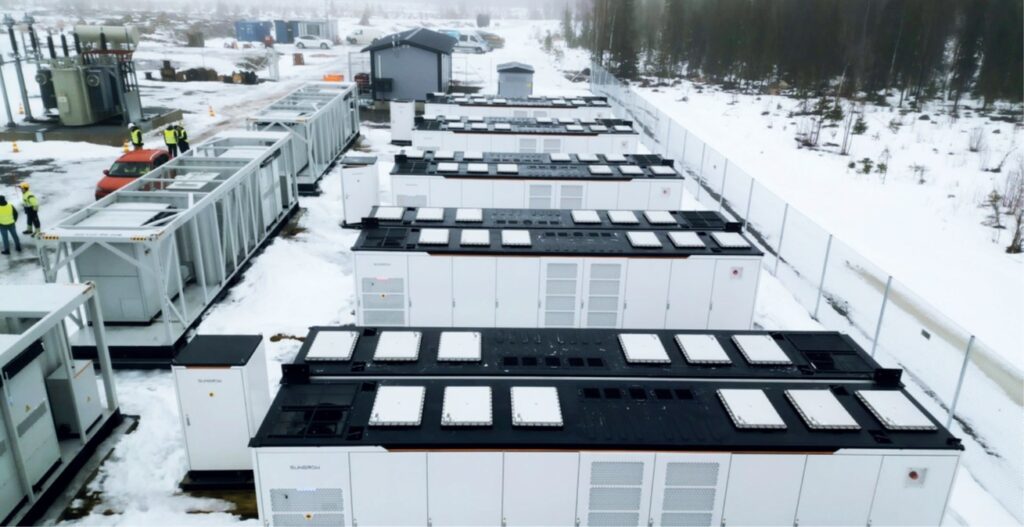
Building the grid required for the future
Ten years ago, when the Paris Agreement set the world on a path toward limiting global warming to 1.5°C, most energy experts understood that renewable energy and battery energy storage systems (BESS) would need to scale dramatically. What fewer anticipated was just how completely this would require us to reimagine the grid itself, writes Aazzum Yassir of Pulse Clean Energy.
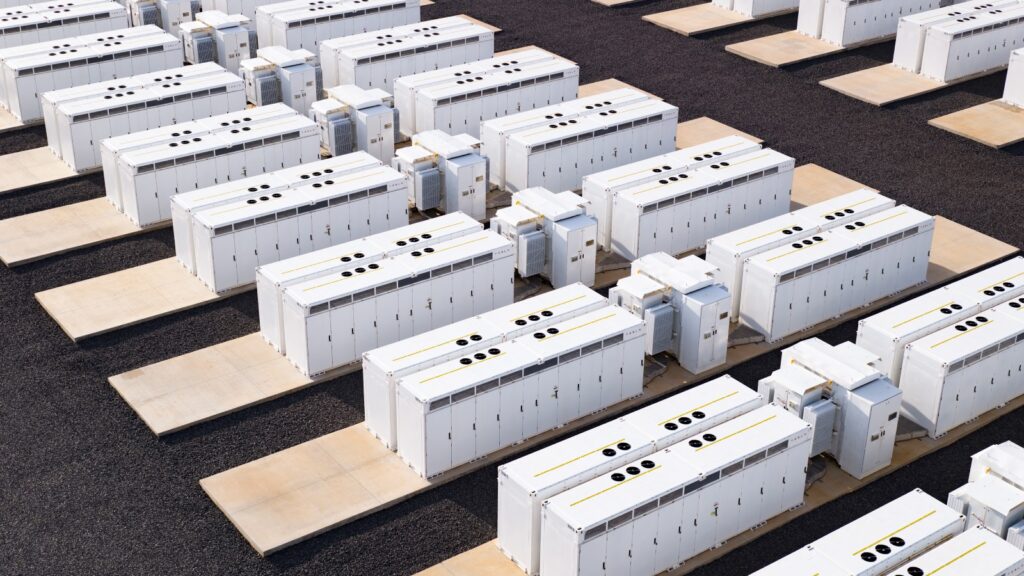
Demand diligence from US battery integration
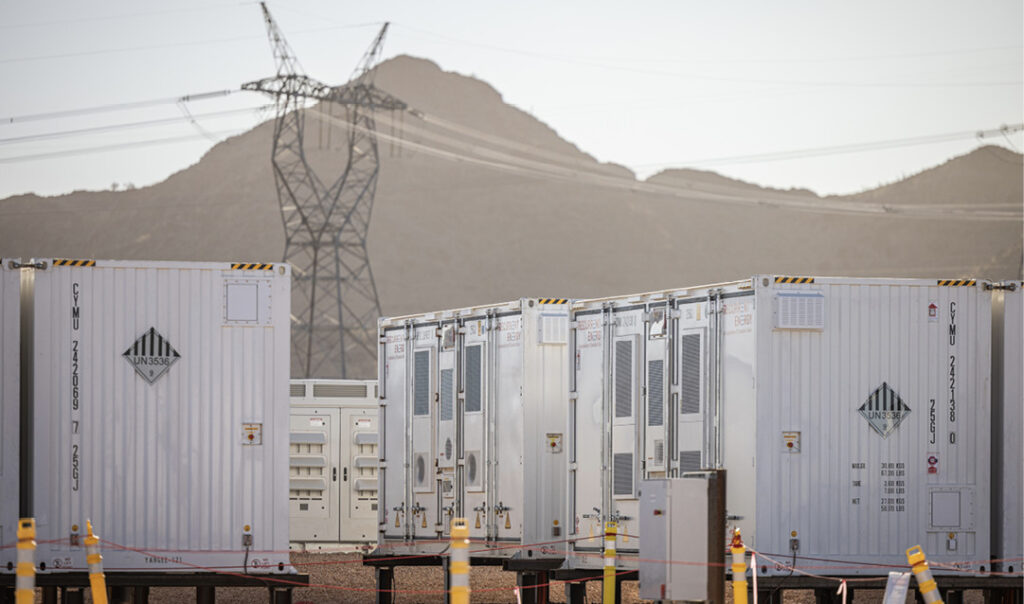
Tariffs continue to reshape the US storage market. Rising costs for overseas systems have created new incentives to integrate equipment domestically, and many developers are turning to US firms to assemble battery systems. Integration capacity can scale faster than battery cell manufacturing, but not without risk. Unlike cell plants, where automated processes keep variations in check, battery assembly and integration depends on people, as Jeff Zwijack from Intertek CEA explains.
Advertisement
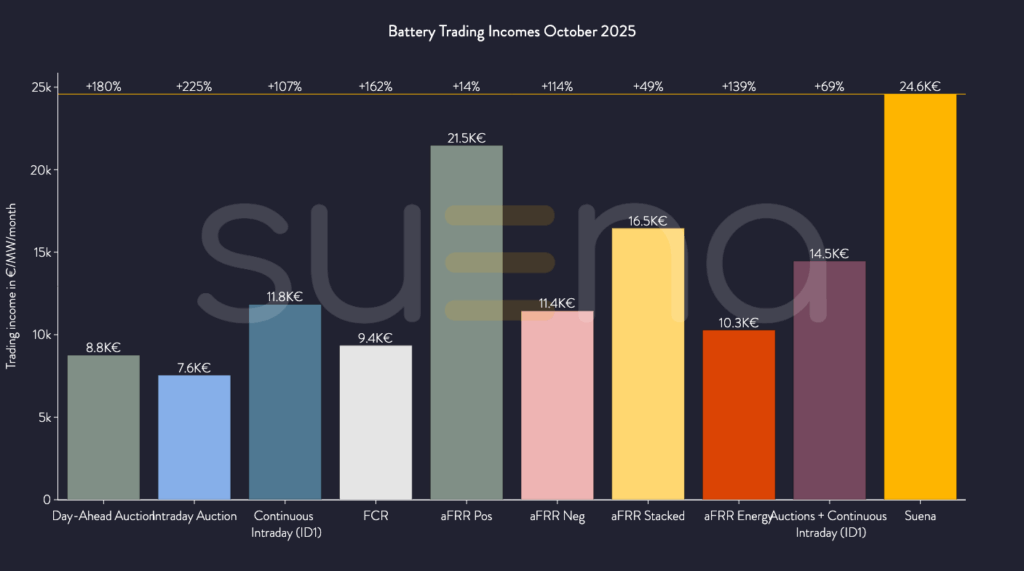
Stacking value in a changing market: BESS revenue in October
October brought a fundamental shift to battery trading dynamics In Germany as the day-ahead market switched from hourly to 15-minute intervals. Lennard Wilkening, CEO and Co-Founder of suena energy, breaks down how this structural change, combined with shifting weather patterns, reshaped revenue opportunities – and why tactical responsiveness across markets will only grow in importance as winter volatility sets in.
Advertisement

Shifting global battery storage trends could open the door for European growth
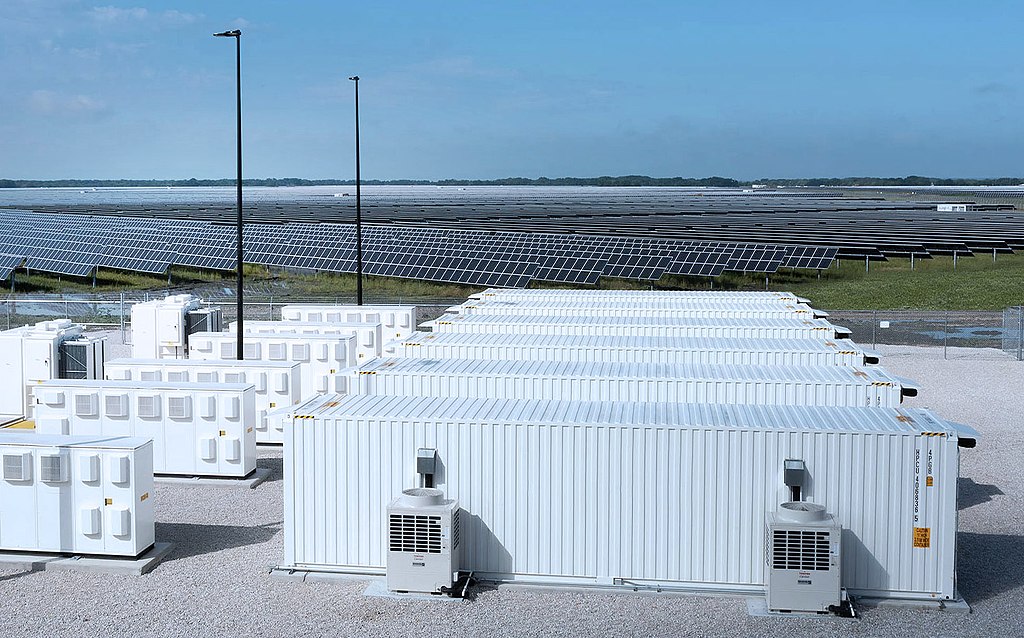
Global investment in battery energy storage systems (BESS) is entering a new phase, moving from niche pilot projects to large-scale grid integration. Europe’s ability to translate lessons from the United States – in policy clarity, contracting, and hybridisation – will define how quickly the market reaches maturity, NORD/LB experts write.
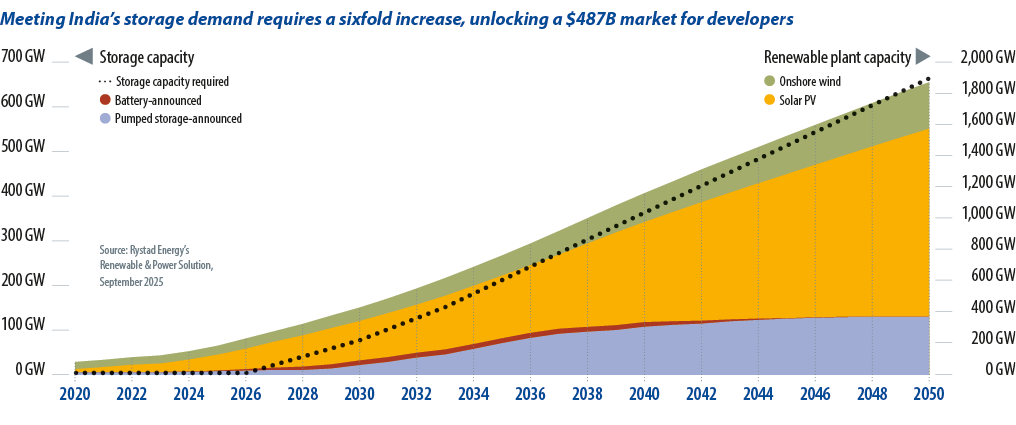
Battery boost needed to solve India’s energy gridlock
India has made significant strides toward its goal of achieving 500 GW of non-fossil fuel generation capacity by 2030. However, this progress could be undermined if more focus is not placed on the integration of renewables. Rystad Energy analyst Uttamarani Pati examines India’s progress on storage and transmission upgrades.

Advertisement